Buy f1-live.eu ?
We are moving the project
f1-live.eu .
Are you interested in purchasing the domain
f1-live.eu ?
domain@kv-gmbh.de · 0541-91531010
Buy f1-live.eu ?
How long can one live with a donor lung?
The survival rate after a lung transplant varies depending on various factors such as the recipient's overall health, age, and the reason for the transplant. On average, the survival rate after a lung transplant is about 5 years, but many recipients can live much longer, with some living 10 years or more. It is important for recipients to follow their post-transplant care plan, take medications as prescribed, and attend regular follow-up appointments to maximize the longevity of the donor lung. **
How long can one live after a lung transplant?
The survival rate after a lung transplant varies depending on several factors, including the recipient's overall health, the reason for the transplant, and the quality of the donor organ. On average, about 80% of lung transplant recipients survive the first year after the surgery, and about 50% survive for five years. Some individuals have been known to live for more than 10 years or even longer after a lung transplant, especially with advancements in medical technology and post-transplant care. **


Similar search terms for Lung
Top-Angebote
Products related to Lung:
-
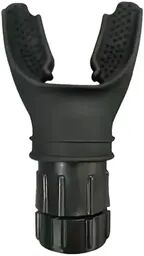
United Adjustable Resistance Lung Trainer & Breathing Exerciser Device For Enhanced Lung Capacity blackRegain control of your breath and feel more energetic every day with this advanced adjustable resistance lung trainer designed for real results. Whether youre an athlete pushing endurance limits, someone rebuilding strength after illness, or simply...39,97 $*Shipping: 0,00 $Secure redirect to the provider
-
Everyday Crate Adjustable Breathing Exerciser Lung Trainer For Strength, Endurance & Lung Capacity Improvement whiteTake deeper breaths, build better endurance, and feel more confident in every activity. This compact lung trainer is designed to strengthen respiratory muscles, improve breath control, and support healthier daily breathing habits. Ideal for...39,97 $*Shipping: 0,00 $Secure redirect to the provider
-
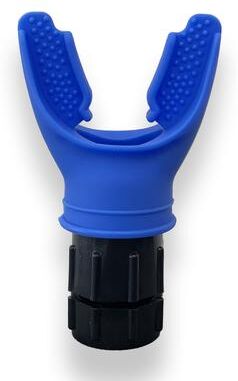
Healfit Counter Breathing Trainer Lung Flexer Fitness Tool Durable Exerciser That Increases Lung Capacity blueIntroducing the Breathing Trainer Lung Flexer a highperformance fitness tool designed for anyone serious about improving breathing strength, endurance, and lung capacity. Whether youre an athlete, singer, recovering patient, or simply want better...21,97 $*Shipping: 0,00 $Secure redirect to the provider
-
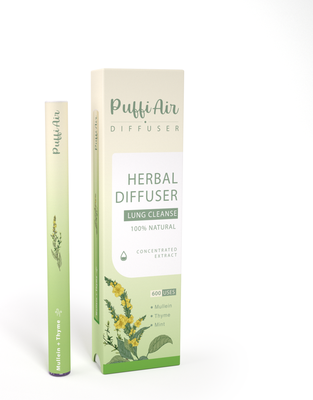
Inspire Daily Merch Aromatherapy Diffuser Natural Lung Cleansing, Soothing Airway Support And Relaxing Breath Aid lungDeep Calm Breathing Support Experience soothing comfort with the Natural Lung Cleansing Aromatherapy Diffuser designed to support a more relaxed breathing routine. If seasonal discomfort, smoky environments, or heavy air is slowing you down, this...84,97 $*Shipping: 0,00 $Secure redirect to the provider


-
How long can one live with a transplanted lung?
The survival rate for lung transplant recipients varies depending on various factors such as the individual's overall health, the reason for the transplant, and how well the body accepts the new organ. On average, the survival rate for lung transplant recipients is about 5 years, with some individuals living much longer. With advancements in medical technology and improved post-transplant care, the life expectancy for lung transplant recipients continues to improve. **
-
Is lung cancer a complication or a type of lung cancer?
Lung cancer is a type of cancer that originates in the lungs. It is not a complication, but rather a disease in which abnormal cells in the lungs grow uncontrollably, forming tumors that can interfere with the normal functioning of the lungs. There are different types of lung cancer, including non-small cell lung cancer and small cell lung cancer, each with its own characteristics and treatment options. **
-
What is lung cancer?
Lung cancer is a type of cancer that starts in the lungs. It occurs when cells in the lungs grow uncontrollably and form tumors. There are two main types of lung cancer: non-small cell lung cancer and small cell lung cancer. Symptoms of lung cancer can include a persistent cough, chest pain, shortness of breath, and coughing up blood. Treatment options for lung cancer may include surgery, chemotherapy, radiation therapy, targeted therapy, and immunotherapy. **
-
Was lung cancer diagnosed?
Yes, lung cancer was diagnosed. **

What are lung capillaries?
Lung capillaries are tiny blood vessels located in the lungs that are responsible for the exchange of oxygen and carbon dioxide between the blood and the air in the alveoli. These capillaries are extremely thin-walled, allowing for efficient diffusion of gases. The network of lung capillaries is extensive, covering a large surface area within the lungs to facilitate the exchange of gases during respiration. **
What promotes lung cancer?
Lung cancer is primarily caused by smoking tobacco, with cigarette smoking being the leading risk factor for developing the disease. Exposure to secondhand smoke, environmental factors such as air pollution and radon gas, as well as genetic predisposition can also contribute to the development of lung cancer. Additionally, occupational exposure to carcinogens such as asbestos, arsenic, and certain chemicals can increase the risk of developing lung cancer. Early detection and prevention strategies, such as smoking cessation and reducing exposure to harmful substances, are crucial in reducing the incidence of lung cancer. **
Top-Angebote
Products related to Lung:
-
Uplift Treasures Natural Lung Cleansing Aromatherapy Diffuser lungProduct Description Breathe easier with this Natural Lung Cleansing Aromatherapy Diffuser a compact wellness tool designed to deliver soothing herbal vapors that help refresh your respiratory experience. Using plantbased aromatherapy blends (such as...172,97 $*Shipping: 0,00 $Secure redirect to the provider
-
Inspired Finds Portable Lung Trainer Pro Adjustable Breathing Exercise Device For Lung Capacity, Relaxation & Better Sleep Portable Lung Trainer Pro Adjustable Breathing Exercise Device For Lung Capacity, Relaxation & Better SleepBreathe deeper, feel stronger, and live healthier with the lung capacity trainer designed to improve your breathing power and stamina. This breathing exercise device helps strengthen your respiratory muscles through adjustable resistance, allowing...34,99 $*Shipping: 0,00 $Secure redirect to the provider
-
United Adjustable Resistance Lung Trainer & Breathing Exerciser Device For Enhanced Lung Capacity blackRegain control of your breath and feel more energetic every day with this advanced adjustable resistance lung trainer designed for real results. Whether youre an athlete pushing endurance limits, someone rebuilding strength after illness, or simply...39,97 $*Shipping: 0,00 $Secure redirect to the provider
-
Everyday Crate Adjustable Breathing Exerciser Lung Trainer For Strength, Endurance & Lung Capacity Improvement whiteTake deeper breaths, build better endurance, and feel more confident in every activity. This compact lung trainer is designed to strengthen respiratory muscles, improve breath control, and support healthier daily breathing habits. Ideal for...39,97 $*Shipping: 0,00 $Secure redirect to the provider
-
How long can one live with a donor lung?
The survival rate after a lung transplant varies depending on various factors such as the recipient's overall health, age, and the reason for the transplant. On average, the survival rate after a lung transplant is about 5 years, but many recipients can live much longer, with some living 10 years or more. It is important for recipients to follow their post-transplant care plan, take medications as prescribed, and attend regular follow-up appointments to maximize the longevity of the donor lung. **
-
How long can one live after a lung transplant?
The survival rate after a lung transplant varies depending on several factors, including the recipient's overall health, the reason for the transplant, and the quality of the donor organ. On average, about 80% of lung transplant recipients survive the first year after the surgery, and about 50% survive for five years. Some individuals have been known to live for more than 10 years or even longer after a lung transplant, especially with advancements in medical technology and post-transplant care. **
-
How long can one live with a transplanted lung?
The survival rate for lung transplant recipients varies depending on various factors such as the individual's overall health, the reason for the transplant, and how well the body accepts the new organ. On average, the survival rate for lung transplant recipients is about 5 years, with some individuals living much longer. With advancements in medical technology and improved post-transplant care, the life expectancy for lung transplant recipients continues to improve. **
-
Is lung cancer a complication or a type of lung cancer?
Lung cancer is a type of cancer that originates in the lungs. It is not a complication, but rather a disease in which abnormal cells in the lungs grow uncontrollably, forming tumors that can interfere with the normal functioning of the lungs. There are different types of lung cancer, including non-small cell lung cancer and small cell lung cancer, each with its own characteristics and treatment options. **
Similar search terms for Lung
-
Healfit Counter Breathing Trainer Lung Flexer Fitness Tool Durable Exerciser That Increases Lung Capacity blueIntroducing the Breathing Trainer Lung Flexer a highperformance fitness tool designed for anyone serious about improving breathing strength, endurance, and lung capacity. Whether youre an athlete, singer, recovering patient, or simply want better...21,97 $*Shipping: 0,00 $Secure redirect to the provider
-
Inspire Daily Merch Aromatherapy Diffuser Natural Lung Cleansing, Soothing Airway Support And Relaxing Breath Aid lungDeep Calm Breathing Support Experience soothing comfort with the Natural Lung Cleansing Aromatherapy Diffuser designed to support a more relaxed breathing routine. If seasonal discomfort, smoky environments, or heavy air is slowing you down, this...84,97 $*Shipping: 0,00 $Secure redirect to the provider
-
Friendly Fresh Finds Adjustable Portable Lung Capacity Trainer Abdominal Breathing Improve Lung Capacity And Sleep Quality blackImprove Your Lung Capacity and Sleep Quality Maximize your health with the Portable Lung Capacity Trainer for Abdominal Breathing. This innovative device helps you strengthen your lungs and enhance your breathing techniques with its adjustable...31,97 $*Shipping: 0,00 $Secure redirect to the provider
-
United Adjustable Resistance Lung Trainer & Breathing Exerciser Device For Enhanced Lung Capacity whiteRegain control of your breath and feel more energetic every day with this advanced adjustable resistance lung trainer designed for real results. Whether youre an athlete pushing endurance limits, someone rebuilding strength after illness, or simply...39,97 $*Shipping: 0,00 $Secure redirect to the provider
-
What is lung cancer?
Lung cancer is a type of cancer that starts in the lungs. It occurs when cells in the lungs grow uncontrollably and form tumors. There are two main types of lung cancer: non-small cell lung cancer and small cell lung cancer. Symptoms of lung cancer can include a persistent cough, chest pain, shortness of breath, and coughing up blood. Treatment options for lung cancer may include surgery, chemotherapy, radiation therapy, targeted therapy, and immunotherapy. **
-
Was lung cancer diagnosed?
Yes, lung cancer was diagnosed. **
-
What are lung capillaries?
Lung capillaries are tiny blood vessels located in the lungs that are responsible for the exchange of oxygen and carbon dioxide between the blood and the air in the alveoli. These capillaries are extremely thin-walled, allowing for efficient diffusion of gases. The network of lung capillaries is extensive, covering a large surface area within the lungs to facilitate the exchange of gases during respiration. **
-
What promotes lung cancer?
Lung cancer is primarily caused by smoking tobacco, with cigarette smoking being the leading risk factor for developing the disease. Exposure to secondhand smoke, environmental factors such as air pollution and radon gas, as well as genetic predisposition can also contribute to the development of lung cancer. Additionally, occupational exposure to carcinogens such as asbestos, arsenic, and certain chemicals can increase the risk of developing lung cancer. Early detection and prevention strategies, such as smoking cessation and reducing exposure to harmful substances, are crucial in reducing the incidence of lung cancer. **
* All prices are inclusive of VAT and, if applicable, plus shipping costs. The offer information is based on the details provided by the respective shop and is updated through automated processes. Real-time updates do not occur, so deviations can occur in individual cases. ** Note: Parts of this content were created by AI.