Buy f1-live.eu ?
We are moving the project
f1-live.eu .
Are you interested in purchasing the domain
f1-live.eu ?
domain@kv-gmbh.de · 0541-91531010
Buy f1-live.eu ?
What is the conflict between the principle of competition and the social principle?
The conflict between the principle of competition and the social principle arises from the tension between individual success and collective well-being. The principle of competition emphasizes the pursuit of individual achievement and success, often at the expense of others. On the other hand, the social principle emphasizes cooperation, equality, and the well-being of the community as a whole. This conflict is evident in various aspects of society, such as economic inequality, access to resources, and the impact of competition on social relationships. Balancing these two principles is a key challenge for creating a fair and equitable society. **
What is meant by competition and the principle of competition?
Competition refers to the rivalry between individuals, groups, or organizations for the same resources or opportunities. It involves the effort to outperform others and achieve a desired outcome, such as winning a contract, gaining market share, or securing a job. The principle of competition is the idea that this rivalry can lead to improved performance, innovation, and efficiency, ultimately benefiting consumers and society as a whole. It is a fundamental concept in economics and business, driving individuals and organizations to constantly strive for improvement and success. **

Similar search terms for Principle
Top-Angebote
Products related to Principle:
-
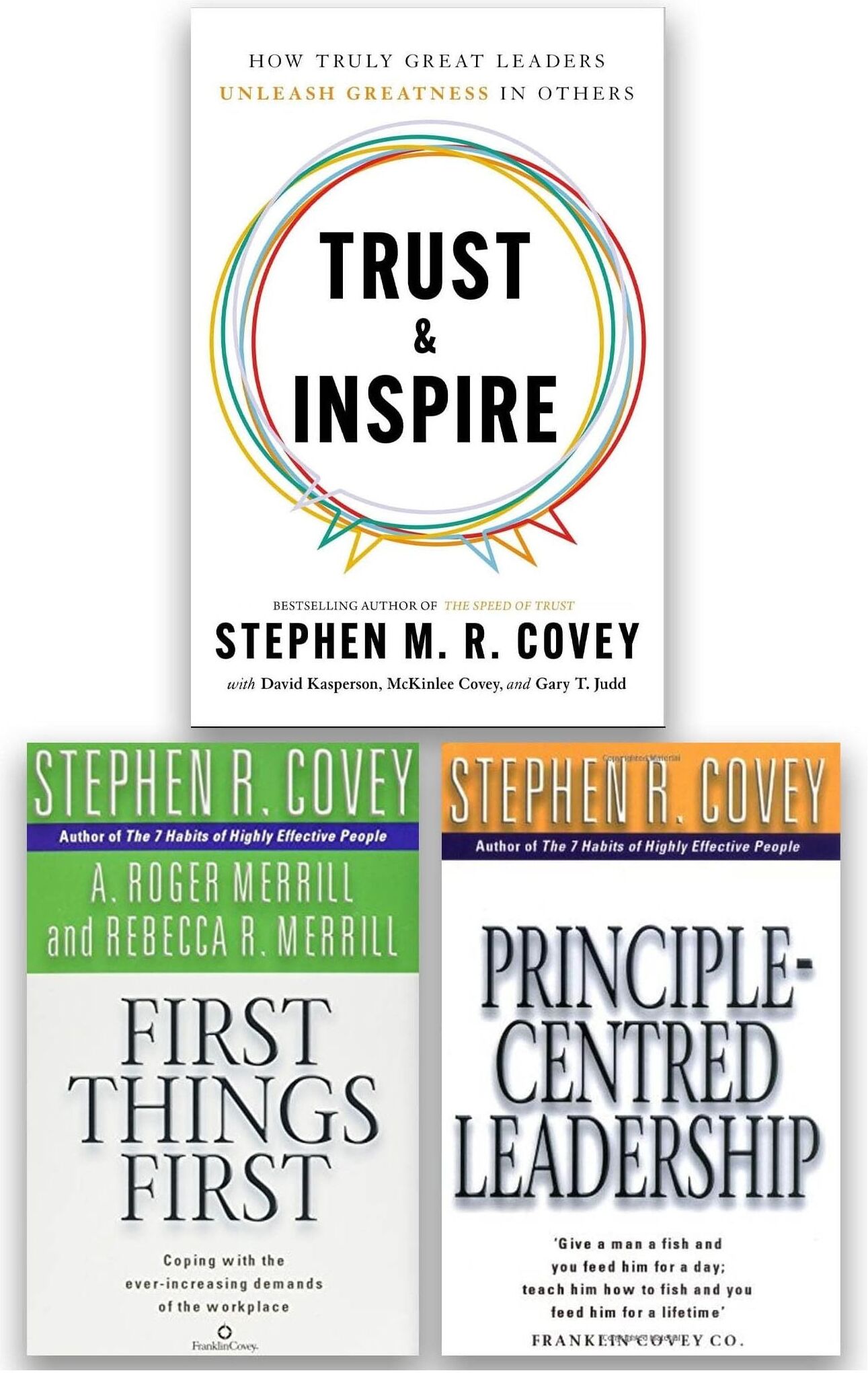
Simon & Schuster Stephen M. R. Covey 3 Books Collection Set (Trust and Inspire, First Things First and Principle Centered Leadership)Trust & Inspire Traditionally, businesses have relied on a“command and control” management style, focusing on rigid hierarchies andcompliance from employees. Covey argues we must shift from a “command andcontrol” to a “trust and inspire” leadership model. Trusting and inspiring yourteam is defined by commitment from both sides, with a focus on effectivenessand fostering a growth mindset. It is based on the belief that employees arecreative, collaborative, and full of potential; through trust, you can inspirethem to do their best work. First Things First I'm getting more done in less time, but where arethe rich relationships, the inner peace, the balance, the confidence that I'mdoing what matters most and doing it well? Does this nagging question haunt you, even whenyou feel you are being your most efficient? If so, First Things First can helpyou understand why we so often prioritize things that are unimportant to bothour larger goals and our inner happiness. Principle Centered Leadership PRINCIPLE CENTRED LEADERSHIP will help solve thesedilemmas - and many others:* how do we achieve a wise and renewing balancebetween work and family in the midst of constant pressures and crises?* how dowe unleash the creativity, talent and energy of the vast majority of the workforce, whose jobs neither require nor reward such resources?* how can we have aculture characterised by change, flexibility and continuous improvement andstill maintain a sense of stability and security?* how do we create team spiritand harmony among people and departments that have been criticising and attackingeach other for years?* how do we get people and culture aligned with strategy,so that everyone in an organisation is as committed to the strategy as thosewho formulated it?19,99 £*Shipping: 2,99 £Secure redirect to the provider
-
Inspired Finds F1 Racing Circuit Canvas Wall Art For Motorsport & Formula Racing Fans 7.87x11.81in Unframe jerezFuel your space with the excitement of legendary racetracks through this striking F1 wall art inspired by iconic circuits like Nrburgring, Monza, and Silverstone. Designed for passionate motorsport fans, this modern canvas print transforms empty...34,99 $*Shipping: 0,00 $Secure redirect to the provider
-
Inspired Finds F1 Racing Circuit Canvas Wall Art For Motorsport & Formula Racing Fans 11.81x17.72in Unframe mugelloFuel your space with the excitement of legendary racetracks through this striking F1 wall art inspired by iconic circuits like Nrburgring, Monza, and Silverstone. Designed for passionate motorsport fans, this modern canvas print transforms empty...39,99 $*Shipping: 0,00 $Secure redirect to the provider
-
Inspired Finds F1 Racing Circuit Canvas Wall Art For Motorsport & Formula Racing Fans 11.81x17.72in Unframe silverstoneFuel your space with the excitement of legendary racetracks through this striking F1 wall art inspired by iconic circuits like Nrburgring, Monza, and Silverstone. Designed for passionate motorsport fans, this modern canvas print transforms empty...51,99 $*Shipping: 0,00 $Secure redirect to the provider



-
What is the definition of the principle of competition?
The principle of competition refers to the economic concept where multiple firms or individuals compete with each other in a market to offer goods or services to consumers. This competition helps drive innovation, efficiency, and lower prices as businesses strive to attract customers. It is a fundamental aspect of a market economy that encourages businesses to constantly improve their products and services to stay ahead of their competitors. **
-
What is the economic principle: the principle of minimum or the principle of maximum?
The principle of minimum and the principle of maximum are economic principles that relate to decision-making. The principle of minimum states that individuals or firms will seek to minimize their costs or inputs in order to achieve a certain level of output or outcome. On the other hand, the principle of maximum states that individuals or firms will seek to maximize their benefits or outputs given a certain level of inputs or costs. Both principles are important in guiding economic decision-making and resource allocation. **
-
What is the principle of the key-lock principle?
The key-lock principle is based on the idea that certain molecules or structures (keys) can fit into specific receptors or binding sites (locks) with high specificity and affinity. This principle is commonly used to describe the interaction between enzymes and their substrates, where the enzyme (lock) has a specific active site that perfectly fits the substrate (key), allowing for efficient catalysis. The key-lock principle highlights the importance of complementary shapes and chemical properties between molecules for effective interactions to occur. **
-
What is the ping-pong principle or the hourglass principle?
The ping-pong principle, also known as the hourglass principle, is a communication strategy where information is exchanged back and forth between two parties in a structured and concise manner. It involves each party taking turns to speak or provide input, similar to a game of ping-pong. This principle ensures that communication is balanced, effective, and allows for active listening and engagement from both parties. It helps to maintain a focused and productive conversation by preventing one party from dominating the discussion. **


What is the rocket principle and the principle of recoil?
The rocket principle states that for every action, there is an equal and opposite reaction. This means that when a rocket expels gas out of its engines, the force of the gas pushing out is matched by an equal force pushing the rocket in the opposite direction. The principle of recoil is similar, stating that when a gun is fired, the force of the bullet being expelled from the barrel is matched by an equal force pushing the gun in the opposite direction. Both principles are based on Newton's third law of motion, which describes the relationship between the forces acting on two interacting objects. **
Does the principle of solidarity correspond to the principle of equivalence?
The principle of solidarity and the principle of equivalence are related but not the same. The principle of solidarity emphasizes mutual support and collective responsibility within a community, while the principle of equivalence focuses on equal treatment and fairness. Solidarity often involves individuals or groups providing assistance or resources to those in need, even if they have not contributed equally, whereas equivalence typically requires treating individuals or groups in the same way based on certain criteria. Both principles aim to promote fairness and justice, but they operate in slightly different ways. **
Top-Angebote
Products related to Principle:
-
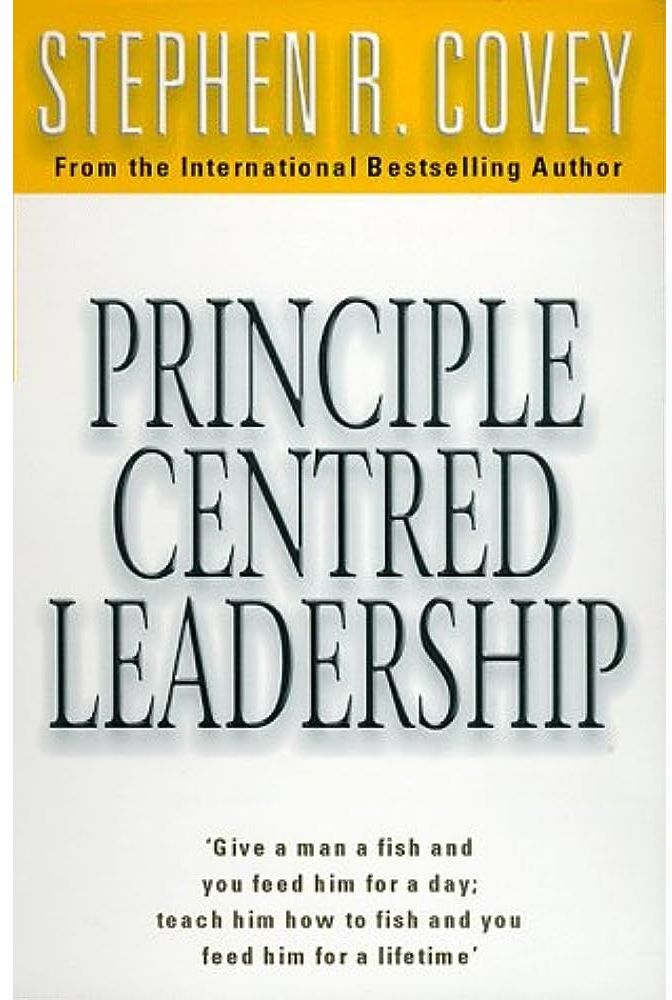
Simon & Schuster Principle Centred Leadership by Stephen R CoveyPRINCIPLE CENTRED LEADERSHIP will help solve these dilemmas - and many others:* how do we achieve a wise and renewing balance between work and family in the midst of constant pressures and crises?* how do we unleash the creativity, talent and energy of the vast majority of the work force, whose jobs neither require nor reward such resources?* how can we have a culture characterised by change, flexibility and continuous improvement and still maintain a sense of stability and security?* how do we create team spirit and harmony among people and departments that have been criticising and attacking each other for years?* how do we get people and culture aligned with strategy, so that everyone in an organisation is as committed to the strategy as those who formulated it?6,99 £*Shipping: 2,99 £Secure redirect to the provider
-
John Murray The 80/20 Principle : The Secret of Achieving More with Less: by Richard KochREAD THIS BOOK AND USE IT - TIM FERRISS Twenty years after its first publication, The 80/20 Principle is a global bestseller read by millions of highly effective people around the world. Now, it is more powerful and essential than ever. In the past, the principle gave those who used it a serious advantage.In the future, it will be the essential tool for anyone who wants to succeed. And it is powerful. Based on the counter-intuitive but widespread fact that 80% of results flow from 20% of causes, The 80/20 Principle shows how you can achieve much more with much less effort, time and resources, simply by concentrating on the all-important 20%.This major new edition includes four brand new chapters showing how to: Use the rise of networks to your advantage Benefit from more acute 90/10 and 99/1 forms of the principle Tap into your subconscious to exert a super-potent and amazingly favourable influence on your life Enjoy greater success with 5 mega rules to live by5,95 £*Shipping: 2,99 £Secure redirect to the provider
-
Simon & Schuster Stephen M. R. Covey 3 Books Collection Set (Trust and Inspire, First Things First and Principle Centered Leadership)Trust & Inspire Traditionally, businesses have relied on a“command and control” management style, focusing on rigid hierarchies andcompliance from employees. Covey argues we must shift from a “command andcontrol” to a “trust and inspire” leadership model. Trusting and inspiring yourteam is defined by commitment from both sides, with a focus on effectivenessand fostering a growth mindset. It is based on the belief that employees arecreative, collaborative, and full of potential; through trust, you can inspirethem to do their best work. First Things First I'm getting more done in less time, but where arethe rich relationships, the inner peace, the balance, the confidence that I'mdoing what matters most and doing it well? Does this nagging question haunt you, even whenyou feel you are being your most efficient? If so, First Things First can helpyou understand why we so often prioritize things that are unimportant to bothour larger goals and our inner happiness. Principle Centered Leadership PRINCIPLE CENTRED LEADERSHIP will help solve thesedilemmas - and many others:* how do we achieve a wise and renewing balancebetween work and family in the midst of constant pressures and crises?* how dowe unleash the creativity, talent and energy of the vast majority of the workforce, whose jobs neither require nor reward such resources?* how can we have aculture characterised by change, flexibility and continuous improvement andstill maintain a sense of stability and security?* how do we create team spiritand harmony among people and departments that have been criticising and attackingeach other for years?* how do we get people and culture aligned with strategy,so that everyone in an organisation is as committed to the strategy as thosewho formulated it?19,99 £*Shipping: 2,99 £Secure redirect to the provider
-
Inspired Finds F1 Racing Circuit Canvas Wall Art For Motorsport & Formula Racing Fans 7.87x11.81in Unframe jerezFuel your space with the excitement of legendary racetracks through this striking F1 wall art inspired by iconic circuits like Nrburgring, Monza, and Silverstone. Designed for passionate motorsport fans, this modern canvas print transforms empty...34,99 $*Shipping: 0,00 $Secure redirect to the provider
-
What is the conflict between the principle of competition and the social principle?
The conflict between the principle of competition and the social principle arises from the tension between individual success and collective well-being. The principle of competition emphasizes the pursuit of individual achievement and success, often at the expense of others. On the other hand, the social principle emphasizes cooperation, equality, and the well-being of the community as a whole. This conflict is evident in various aspects of society, such as economic inequality, access to resources, and the impact of competition on social relationships. Balancing these two principles is a key challenge for creating a fair and equitable society. **
-
What is meant by competition and the principle of competition?
Competition refers to the rivalry between individuals, groups, or organizations for the same resources or opportunities. It involves the effort to outperform others and achieve a desired outcome, such as winning a contract, gaining market share, or securing a job. The principle of competition is the idea that this rivalry can lead to improved performance, innovation, and efficiency, ultimately benefiting consumers and society as a whole. It is a fundamental concept in economics and business, driving individuals and organizations to constantly strive for improvement and success. **
-
What is the definition of the principle of competition?
The principle of competition refers to the economic concept where multiple firms or individuals compete with each other in a market to offer goods or services to consumers. This competition helps drive innovation, efficiency, and lower prices as businesses strive to attract customers. It is a fundamental aspect of a market economy that encourages businesses to constantly improve their products and services to stay ahead of their competitors. **
-
What is the economic principle: the principle of minimum or the principle of maximum?
The principle of minimum and the principle of maximum are economic principles that relate to decision-making. The principle of minimum states that individuals or firms will seek to minimize their costs or inputs in order to achieve a certain level of output or outcome. On the other hand, the principle of maximum states that individuals or firms will seek to maximize their benefits or outputs given a certain level of inputs or costs. Both principles are important in guiding economic decision-making and resource allocation. **
Similar search terms for Principle
-
Inspired Finds F1 Racing Circuit Canvas Wall Art For Motorsport & Formula Racing Fans 11.81x17.72in Unframe mugelloFuel your space with the excitement of legendary racetracks through this striking F1 wall art inspired by iconic circuits like Nrburgring, Monza, and Silverstone. Designed for passionate motorsport fans, this modern canvas print transforms empty...39,99 $*Shipping: 0,00 $Secure redirect to the provider
-
Inspired Finds F1 Racing Circuit Canvas Wall Art For Motorsport & Formula Racing Fans 11.81x17.72in Unframe silverstoneFuel your space with the excitement of legendary racetracks through this striking F1 wall art inspired by iconic circuits like Nrburgring, Monza, and Silverstone. Designed for passionate motorsport fans, this modern canvas print transforms empty...51,99 $*Shipping: 0,00 $Secure redirect to the provider
-
Inspired Finds F1 Racing Circuit Canvas Wall Art For Motorsport & Formula Racing Fans 11.81x17.72in Unframe monzaFuel your space with the excitement of legendary racetracks through this striking F1 wall art inspired by iconic circuits like Nrburgring, Monza, and Silverstone. Designed for passionate motorsport fans, this modern canvas print transforms empty...39,99 $*Shipping: 0,00 $Secure redirect to the provider
-
Inspired Finds F1 Racing Circuit Canvas Wall Art For Motorsport & Formula Racing Fans 19.69x27.56in Unframe kyalamiFuel your space with the excitement of legendary racetracks through this striking F1 wall art inspired by iconic circuits like Nrburgring, Monza, and Silverstone. Designed for passionate motorsport fans, this modern canvas print transforms empty...51,99 $*Shipping: 0,00 $Secure redirect to the provider
-
What is the principle of the key-lock principle?
The key-lock principle is based on the idea that certain molecules or structures (keys) can fit into specific receptors or binding sites (locks) with high specificity and affinity. This principle is commonly used to describe the interaction between enzymes and their substrates, where the enzyme (lock) has a specific active site that perfectly fits the substrate (key), allowing for efficient catalysis. The key-lock principle highlights the importance of complementary shapes and chemical properties between molecules for effective interactions to occur. **
-
What is the ping-pong principle or the hourglass principle?
The ping-pong principle, also known as the hourglass principle, is a communication strategy where information is exchanged back and forth between two parties in a structured and concise manner. It involves each party taking turns to speak or provide input, similar to a game of ping-pong. This principle ensures that communication is balanced, effective, and allows for active listening and engagement from both parties. It helps to maintain a focused and productive conversation by preventing one party from dominating the discussion. **
-
What is the rocket principle and the principle of recoil?
The rocket principle states that for every action, there is an equal and opposite reaction. This means that when a rocket expels gas out of its engines, the force of the gas pushing out is matched by an equal force pushing the rocket in the opposite direction. The principle of recoil is similar, stating that when a gun is fired, the force of the bullet being expelled from the barrel is matched by an equal force pushing the gun in the opposite direction. Both principles are based on Newton's third law of motion, which describes the relationship between the forces acting on two interacting objects. **
-
Does the principle of solidarity correspond to the principle of equivalence?
The principle of solidarity and the principle of equivalence are related but not the same. The principle of solidarity emphasizes mutual support and collective responsibility within a community, while the principle of equivalence focuses on equal treatment and fairness. Solidarity often involves individuals or groups providing assistance or resources to those in need, even if they have not contributed equally, whereas equivalence typically requires treating individuals or groups in the same way based on certain criteria. Both principles aim to promote fairness and justice, but they operate in slightly different ways. **
* All prices are inclusive of VAT and, if applicable, plus shipping costs. The offer information is based on the details provided by the respective shop and is updated through automated processes. Real-time updates do not occur, so deviations can occur in individual cases. ** Note: Parts of this content were created by AI.