Buy f1-live.eu ?
We are moving the project
f1-live.eu .
Are you interested in purchasing the domain
f1-live.eu ?
domain@kv-gmbh.de · 0541-91531010
Buy f1-live.eu ?
Why is sliding friction undesirable in technology, while static friction is acceptable?
Sliding friction is undesirable in technology because it creates wear and tear on surfaces, leading to the need for frequent maintenance and replacement of parts. This can increase costs and reduce the lifespan of equipment. On the other hand, static friction is acceptable because it allows objects to stay in place without slipping, providing stability and preventing movement when it is not desired. This can be beneficial in various technological applications, such as keeping components in place within a machine or preventing objects from sliding on a surface. **
Live-bearing fish species
Live-bearing fish species are a type of fish that give birth to live young instead of laying eggs. This reproductive strategy is common among fish such as guppies, mollies, and swordtails. Live-bearing fish are popular among aquarium hobbyists due to their interesting breeding behaviors and the ability to observe the development of the young fish. This reproductive strategy allows the offspring to have a higher chance of survival compared to species that lay eggs, as the young are born fully developed and able to swim and feed on their own. **

Similar search terms for REVLINE-5901797949624-Anti-friction-Bearing
Top-Angebote
Products related to REVLINE-5901797949624-Anti-friction-Bearing:
-
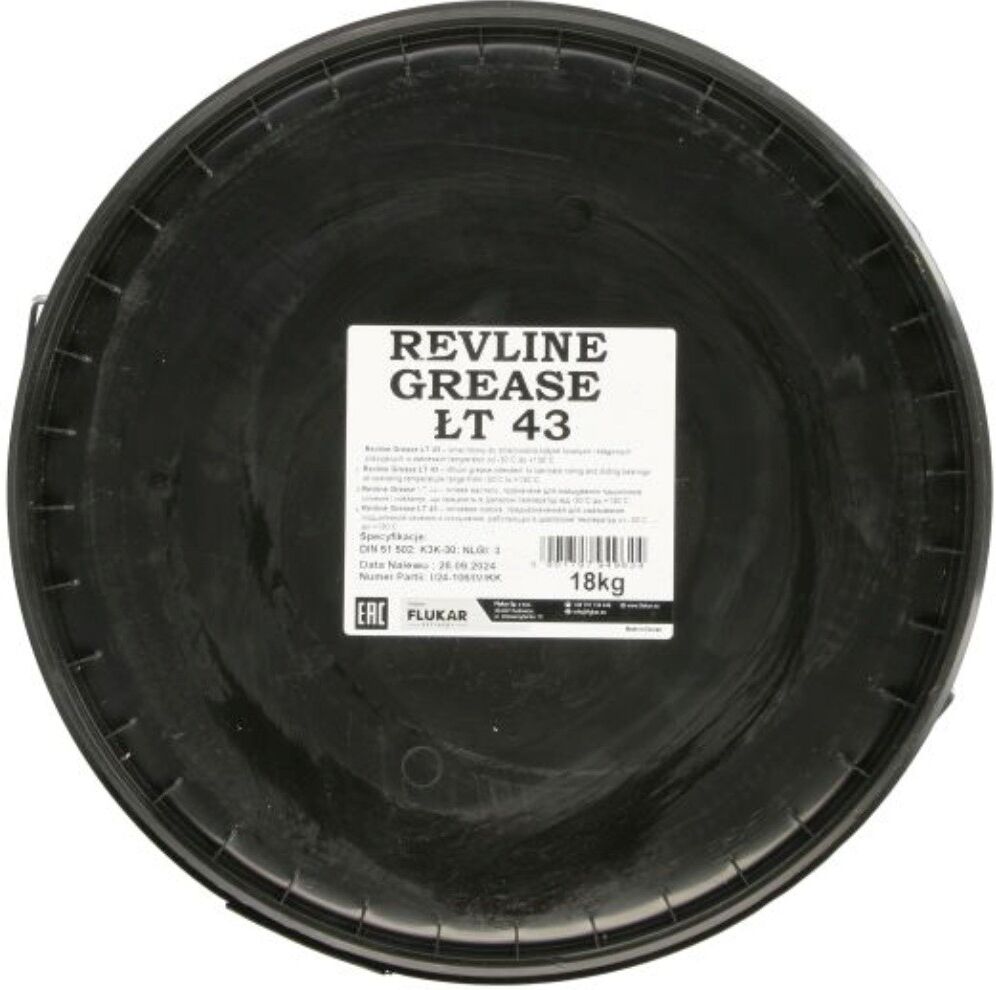
REVLINE 5901797949556 Anti-friction Bearing GreaseWeight [kg]: 18; Container Type: Bucket; NLGI Class: 3 (semi-hard); DIN/ISO: DIN 51502 K3K-30, ISO 6743-9; Operating temperature from [°C]: -30; Operating temperature to [°C]: +130; Product line: Grease; Version: LT4 S3; Liquid:97,99 £*Shipping: 8,45 £Secure redirect to the provider
-
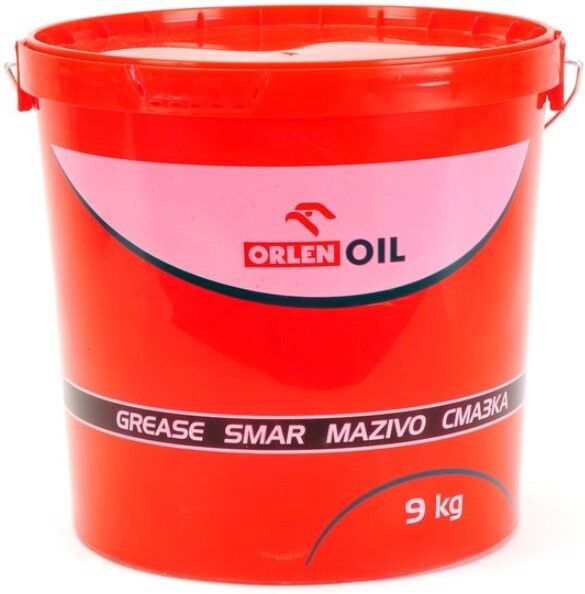
ORLEN QFG169S90 Anti-friction Bearing GreaseWeight [kg]: 9; Container Type: Bucket; NLGI Class: 3 (semi-hard); Temperature range from [°C]: -30; Temperature range to [°C]: +130; DIN/ISO: DIN 51 502 K3K-30, ISO 6743-9: CCHA-3; Colour: green; Product line: Liten LT-43; Liquid:50,99 £*Shipping: 8,45 £Secure redirect to the provider
-
SHELL 550050007 Anti-friction Bearing GreaseCapacity [ml]: 400; Container Type: Cartridge; NLGI Class: 2 (soft); Observe service information: ; Temperature range from [°C]: -20; Temperature range to [°C]: +130; Chemical Properties: Watertight, Contains mineral oil; Weight [kg]: 0,4; Liquid: ; Specification: ASTM D4950 LB; Product line: Gadus; Version: S2 V220 AC 29,99 £*Shipping: 8,45 £Secure redirect to the provider
-
SHELL 550028095 Anti-friction Bearing GreaseWeight [g]: 400; Temperature range to [°C]: +120; Product line: Gadus; Version: S2 V220 2; Container Type: Cartridge; Chemical Properties: Contains mineral oil; NLGI Class: 2 (soft); Temperature range from [°C]: -20; ISO viscosity class: VG 220; Highest short-term temperature [°C]: +130; Liquid:7,99 £*Shipping: 8,45 £Secure redirect to the provider



-
What is static friction, kinetic friction, and rolling friction?
Static friction is the force that resists the initial motion of an object at rest. It is the friction force that must be overcome to start an object moving. Kinetic friction, on the other hand, is the force that opposes the motion of an object that is already in motion. Rolling friction is the force that resists the motion of a rolling object, such as a wheel or a ball, as it moves across a surface. It is generally lower than static and kinetic friction because the rolling motion reduces the amount of surface area in contact with the object, thus reducing the friction force. **
-
At what speed does friction occur?
Friction occurs when two surfaces move or try to move against each other. The speed at which friction occurs can vary depending on factors such as the roughness of the surfaces, the force pressing the surfaces together, and the presence of any lubricants. In general, friction tends to increase as the speed of relative motion between the surfaces increases. **
-
What are good examples of static friction, sliding friction, and rolling friction?
Good examples of static friction include a heavy box sitting on the floor that requires a lot of force to start moving, or a car tire on a road that is not moving. Sliding friction can be seen when you push a book across a table, or when you slide down a slide at the playground. Rolling friction is evident when a ball rolls across the ground, or when a car is in motion and its tires are rolling on the road. **
-
What is static friction and kinetic friction?
Static friction is the force that resists the initial motion of an object at rest. It is the frictional force that must be overcome in order to start an object moving. Kinetic friction, on the other hand, is the force that resists the motion of an object already in motion. It is the frictional force that opposes the movement of an object as it slides or rolls over a surface. Both types of friction are caused by the interactions between the surfaces of the object and the surface it is in contact with. **


Why is static friction stronger than kinetic friction?
Static friction is stronger than kinetic friction because when an object is at rest, the microscopic rough surfaces of the two objects in contact have more time to interlock and create a stronger bond, requiring more force to overcome. Once the object starts moving, the surfaces are in motion and the interlocking is broken more easily, resulting in less resistance. This difference in interlocking and bonding between the surfaces is what causes static friction to be stronger than kinetic friction. **
What is better: friction paste or friction spray?
The choice between friction paste and friction spray depends on personal preference and the specific application. Friction paste is typically more durable and longer-lasting, making it better for heavy-duty or long-term use. On the other hand, friction spray is easier to apply and can be more convenient for quick or temporary fixes. Ultimately, the best option will depend on the specific needs and preferences of the user. **
Top-Angebote
Products related to REVLINE-5901797949624-Anti-friction-Bearing:
-
REVLINE 5901797949624 Anti-friction Bearing GreaseWeight [kg]: 18; Container Type: Bucket; NLGI Class: 3 (semi-hard); DIN/ISO: DIN 51502 K3K-30, ISO 6743-9; Operating temperature from [°C]: -30; Operating temperature to [°C]: +130; Product line: Grease; Version: LT 43; Liquid:115,99 £*Shipping: 8,45 £Secure redirect to the provider
-
REVLINE 5901797947279 Anti-friction Bearing GreaseWeight [kg]: 4.5; Container Type: Bucket; NLGI Class: 3 (semi-hard); DIN/ISO: DIN 51502 K3K-30, ISO 6743-9; Operating temperature from [°C]: -30; Operating temperature to [°C]: +130; Product line: Grease; Version: LT 43; Liquid:34,49 £*Shipping: 8,45 £Secure redirect to the provider
-
REVLINE 5901797949556 Anti-friction Bearing GreaseWeight [kg]: 18; Container Type: Bucket; NLGI Class: 3 (semi-hard); DIN/ISO: DIN 51502 K3K-30, ISO 6743-9; Operating temperature from [°C]: -30; Operating temperature to [°C]: +130; Product line: Grease; Version: LT4 S3; Liquid:97,99 £*Shipping: 8,45 £Secure redirect to the provider
-
ORLEN QFG169S90 Anti-friction Bearing GreaseWeight [kg]: 9; Container Type: Bucket; NLGI Class: 3 (semi-hard); Temperature range from [°C]: -30; Temperature range to [°C]: +130; DIN/ISO: DIN 51 502 K3K-30, ISO 6743-9: CCHA-3; Colour: green; Product line: Liten LT-43; Liquid:50,99 £*Shipping: 8,45 £Secure redirect to the provider
-
Why is sliding friction undesirable in technology, while static friction is acceptable?
Sliding friction is undesirable in technology because it creates wear and tear on surfaces, leading to the need for frequent maintenance and replacement of parts. This can increase costs and reduce the lifespan of equipment. On the other hand, static friction is acceptable because it allows objects to stay in place without slipping, providing stability and preventing movement when it is not desired. This can be beneficial in various technological applications, such as keeping components in place within a machine or preventing objects from sliding on a surface. **
-
Live-bearing fish species
Live-bearing fish species are a type of fish that give birth to live young instead of laying eggs. This reproductive strategy is common among fish such as guppies, mollies, and swordtails. Live-bearing fish are popular among aquarium hobbyists due to their interesting breeding behaviors and the ability to observe the development of the young fish. This reproductive strategy allows the offspring to have a higher chance of survival compared to species that lay eggs, as the young are born fully developed and able to swim and feed on their own. **
-
What is static friction, kinetic friction, and rolling friction?
Static friction is the force that resists the initial motion of an object at rest. It is the friction force that must be overcome to start an object moving. Kinetic friction, on the other hand, is the force that opposes the motion of an object that is already in motion. Rolling friction is the force that resists the motion of a rolling object, such as a wheel or a ball, as it moves across a surface. It is generally lower than static and kinetic friction because the rolling motion reduces the amount of surface area in contact with the object, thus reducing the friction force. **
-
At what speed does friction occur?
Friction occurs when two surfaces move or try to move against each other. The speed at which friction occurs can vary depending on factors such as the roughness of the surfaces, the force pressing the surfaces together, and the presence of any lubricants. In general, friction tends to increase as the speed of relative motion between the surfaces increases. **
Similar search terms for REVLINE-5901797949624-Anti-friction-Bearing
-
SHELL 550050007 Anti-friction Bearing GreaseCapacity [ml]: 400; Container Type: Cartridge; NLGI Class: 2 (soft); Observe service information: ; Temperature range from [°C]: -20; Temperature range to [°C]: +130; Chemical Properties: Watertight, Contains mineral oil; Weight [kg]: 0,4; Liquid: ; Specification: ASTM D4950 LB; Product line: Gadus; Version: S2 V220 AC 29,99 £*Shipping: 8,45 £Secure redirect to the provider
-
SHELL 550028095 Anti-friction Bearing GreaseWeight [g]: 400; Temperature range to [°C]: +120; Product line: Gadus; Version: S2 V220 2; Container Type: Cartridge; Chemical Properties: Contains mineral oil; NLGI Class: 2 (soft); Temperature range from [°C]: -20; ISO viscosity class: VG 220; Highest short-term temperature [°C]: +130; Liquid:7,99 £*Shipping: 8,45 £Secure redirect to the provider
-
KROON OIL 34071 Anti-friction Bearing GreaseOil: Mineral Oil; Container Type: Bucket; Weight [g]: 600; NLGI Class: 2 (soft); Temperature range from [°C]: -30; Temperature range to [°C]: +150; Liquid: ; DIN Standards (lubricants): DIN 51502, DIN KP2N-30; Version: Wheel Bearing, Grease NF13,99 £*Shipping: 8,45 £Secure redirect to the provider
-
What are good examples of static friction, sliding friction, and rolling friction?
Good examples of static friction include a heavy box sitting on the floor that requires a lot of force to start moving, or a car tire on a road that is not moving. Sliding friction can be seen when you push a book across a table, or when you slide down a slide at the playground. Rolling friction is evident when a ball rolls across the ground, or when a car is in motion and its tires are rolling on the road. **
-
What is static friction and kinetic friction?
Static friction is the force that resists the initial motion of an object at rest. It is the frictional force that must be overcome in order to start an object moving. Kinetic friction, on the other hand, is the force that resists the motion of an object already in motion. It is the frictional force that opposes the movement of an object as it slides or rolls over a surface. Both types of friction are caused by the interactions between the surfaces of the object and the surface it is in contact with. **
-
Why is static friction stronger than kinetic friction?
Static friction is stronger than kinetic friction because when an object is at rest, the microscopic rough surfaces of the two objects in contact have more time to interlock and create a stronger bond, requiring more force to overcome. Once the object starts moving, the surfaces are in motion and the interlocking is broken more easily, resulting in less resistance. This difference in interlocking and bonding between the surfaces is what causes static friction to be stronger than kinetic friction. **
-
What is better: friction paste or friction spray?
The choice between friction paste and friction spray depends on personal preference and the specific application. Friction paste is typically more durable and longer-lasting, making it better for heavy-duty or long-term use. On the other hand, friction spray is easier to apply and can be more convenient for quick or temporary fixes. Ultimately, the best option will depend on the specific needs and preferences of the user. **
* All prices are inclusive of VAT and, if applicable, plus shipping costs. The offer information is based on the details provided by the respective shop and is updated through automated processes. Real-time updates do not occur, so deviations can occur in individual cases. ** Note: Parts of this content were created by AI.