Buy f1-live.eu ?
We are moving the project
f1-live.eu .
Are you interested in purchasing the domain
f1-live.eu ?
domain@kv-gmbh.de · 0541-91531010
Buy f1-live.eu ?
What thread does this bearing shell have?
This bearing shell has a thread that allows it to be screwed onto a corresponding part, such as a rod or shaft, to securely hold it in place. The thread on the bearing shell ensures a tight fit and prevents any movement or slippage during operation. It also allows for easy installation and removal when necessary. **
Which thread does this bearing shell have?
This bearing shell has a metric thread. **


Similar search terms for SHELL-550050007-Anti-friction-Bearing
Top-Angebote
Products related to SHELL-550050007-Anti-friction-Bearing:
-
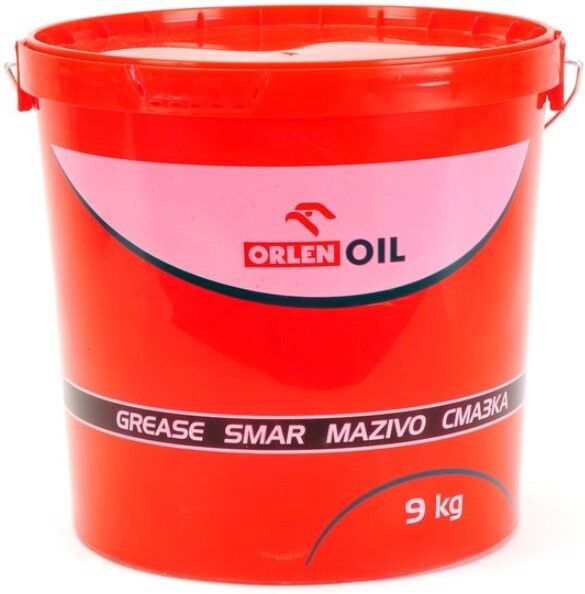
ORLEN QFG169S90 Anti-friction Bearing GreaseWeight [kg]: 9; Container Type: Bucket; NLGI Class: 3 (semi-hard); Temperature range from [°C]: -30; Temperature range to [°C]: +130; DIN/ISO: DIN 51 502 K3K-30, ISO 6743-9: CCHA-3; Colour: green; Product line: Liten LT-43; Liquid:50,99 £*Shipping: 8,45 £Secure redirect to the provider
-
REVLINE 5901797947279 Anti-friction Bearing GreaseWeight [kg]: 4.5; Container Type: Bucket; NLGI Class: 3 (semi-hard); DIN/ISO: DIN 51502 K3K-30, ISO 6743-9; Operating temperature from [°C]: -30; Operating temperature to [°C]: +130; Product line: Grease; Version: LT 43; Liquid:34,49 £*Shipping: 8,45 £Secure redirect to the provider
-
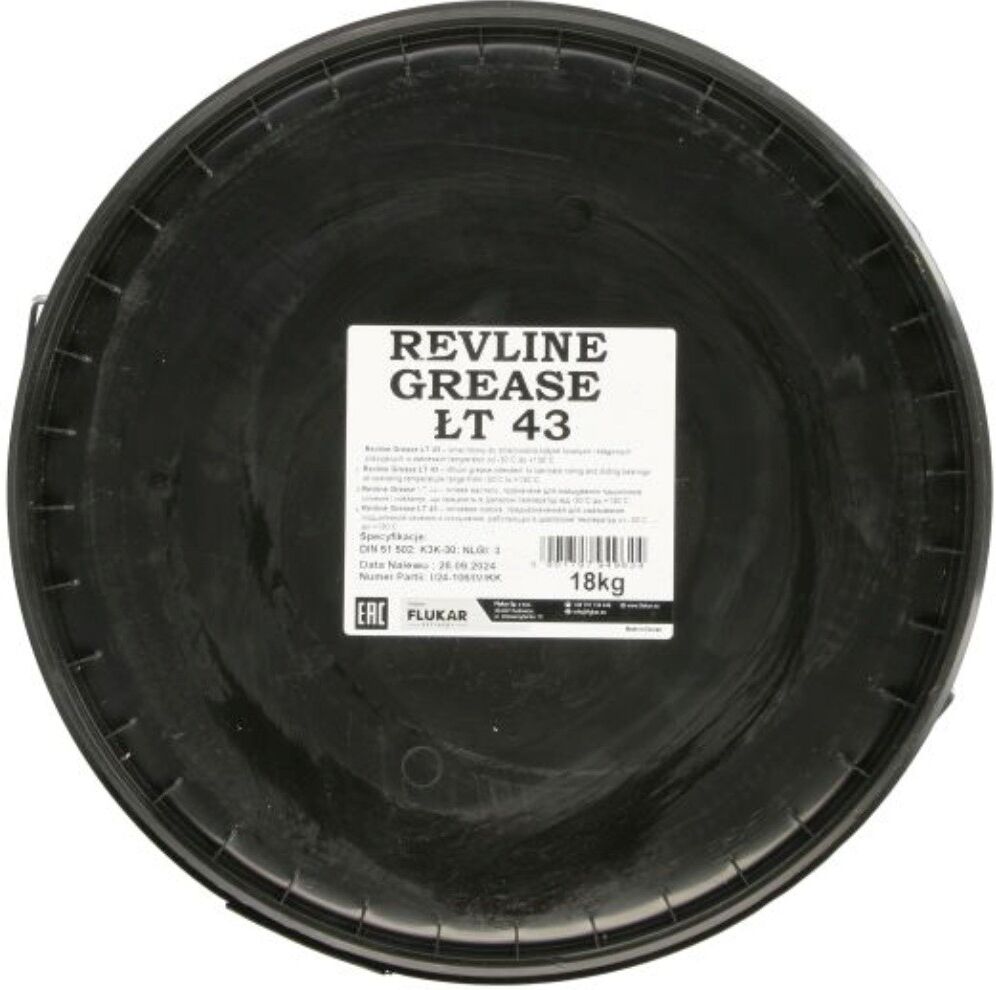
REVLINE 5901797949556 Anti-friction Bearing GreaseWeight [kg]: 18; Container Type: Bucket; NLGI Class: 3 (semi-hard); DIN/ISO: DIN 51502 K3K-30, ISO 6743-9; Operating temperature from [°C]: -30; Operating temperature to [°C]: +130; Product line: Grease; Version: LT4 S3; Liquid:97,99 £*Shipping: 8,45 £Secure redirect to the provider
-
REVLINE 5901797949624 Anti-friction Bearing GreaseWeight [kg]: 18; Container Type: Bucket; NLGI Class: 3 (semi-hard); DIN/ISO: DIN 51502 K3K-30, ISO 6743-9; Operating temperature from [°C]: -30; Operating temperature to [°C]: +130; Product line: Grease; Version: LT 43; Liquid:115,99 £*Shipping: 8,45 £Secure redirect to the provider


-
How to carry out the removal of the bearing shell?
To remove the bearing shell, first, ensure that the area is clean and free of any debris. Then, use a bearing puller tool to carefully grip the bearing shell and apply pressure to pull it out. If a bearing puller tool is not available, a hammer and a punch can be used to carefully tap the bearing shell out. It's important to work slowly and carefully to avoid damaging the surrounding components. Once the bearing shell is removed, clean the area thoroughly before installing a new bearing shell. **
-
How do I remove a bearing shell from a Prima 5?
To remove a bearing shell from a Prima 5, you will need to first disconnect the power source and remove the housing cover. Once the cover is removed, locate the bearing shell and use a bearing puller tool to carefully remove it from its housing. Be sure to follow the manufacturer's instructions and use caution to avoid damaging the bearing or the surrounding components. Once the bearing shell is removed, inspect it for any signs of damage or wear and replace it if necessary. **
-
Why is sliding friction undesirable in technology, while static friction is acceptable?
Sliding friction is undesirable in technology because it creates wear and tear on surfaces, leading to the need for frequent maintenance and replacement of parts. This can increase costs and reduce the lifespan of equipment. On the other hand, static friction is acceptable because it allows objects to stay in place without slipping, providing stability and preventing movement when it is not desired. This can be beneficial in various technological applications, such as keeping components in place within a machine or preventing objects from sliding on a surface. **
-
Live-bearing fish species
Live-bearing fish species are a type of fish that give birth to live young instead of laying eggs. This reproductive strategy is common among fish such as guppies, mollies, and swordtails. Live-bearing fish are popular among aquarium hobbyists due to their interesting breeding behaviors and the ability to observe the development of the young fish. This reproductive strategy allows the offspring to have a higher chance of survival compared to species that lay eggs, as the young are born fully developed and able to swim and feed on their own. **


What is static friction, kinetic friction, and rolling friction?
Static friction is the force that resists the initial motion of an object at rest. It is the friction force that must be overcome to start an object moving. Kinetic friction, on the other hand, is the force that opposes the motion of an object that is already in motion. Rolling friction is the force that resists the motion of a rolling object, such as a wheel or a ball, as it moves across a surface. It is generally lower than static and kinetic friction because the rolling motion reduces the amount of surface area in contact with the object, thus reducing the friction force. **
At what speed does friction occur?
Friction occurs when two surfaces move or try to move against each other. The speed at which friction occurs can vary depending on factors such as the roughness of the surfaces, the force pressing the surfaces together, and the presence of any lubricants. In general, friction tends to increase as the speed of relative motion between the surfaces increases. **
Top-Angebote
Products related to SHELL-550050007-Anti-friction-Bearing:
-
SHELL 550050007 Anti-friction Bearing GreaseCapacity [ml]: 400; Container Type: Cartridge; NLGI Class: 2 (soft); Observe service information: ; Temperature range from [°C]: -20; Temperature range to [°C]: +130; Chemical Properties: Watertight, Contains mineral oil; Weight [kg]: 0,4; Liquid: ; Specification: ASTM D4950 LB; Product line: Gadus; Version: S2 V220 AC 29,99 £*Shipping: 8,45 £Secure redirect to the provider
-
SHELL 550028095 Anti-friction Bearing GreaseWeight [g]: 400; Temperature range to [°C]: +120; Product line: Gadus; Version: S2 V220 2; Container Type: Cartridge; Chemical Properties: Contains mineral oil; NLGI Class: 2 (soft); Temperature range from [°C]: -20; ISO viscosity class: VG 220; Highest short-term temperature [°C]: +130; Liquid:7,99 £*Shipping: 8,45 £Secure redirect to the provider
-
ORLEN QFG169S90 Anti-friction Bearing GreaseWeight [kg]: 9; Container Type: Bucket; NLGI Class: 3 (semi-hard); Temperature range from [°C]: -30; Temperature range to [°C]: +130; DIN/ISO: DIN 51 502 K3K-30, ISO 6743-9: CCHA-3; Colour: green; Product line: Liten LT-43; Liquid:50,99 £*Shipping: 8,45 £Secure redirect to the provider
-
REVLINE 5901797947279 Anti-friction Bearing GreaseWeight [kg]: 4.5; Container Type: Bucket; NLGI Class: 3 (semi-hard); DIN/ISO: DIN 51502 K3K-30, ISO 6743-9; Operating temperature from [°C]: -30; Operating temperature to [°C]: +130; Product line: Grease; Version: LT 43; Liquid:34,49 £*Shipping: 8,45 £Secure redirect to the provider
-
What thread does this bearing shell have?
This bearing shell has a thread that allows it to be screwed onto a corresponding part, such as a rod or shaft, to securely hold it in place. The thread on the bearing shell ensures a tight fit and prevents any movement or slippage during operation. It also allows for easy installation and removal when necessary. **
-
Which thread does this bearing shell have?
This bearing shell has a metric thread. **
-
How to carry out the removal of the bearing shell?
To remove the bearing shell, first, ensure that the area is clean and free of any debris. Then, use a bearing puller tool to carefully grip the bearing shell and apply pressure to pull it out. If a bearing puller tool is not available, a hammer and a punch can be used to carefully tap the bearing shell out. It's important to work slowly and carefully to avoid damaging the surrounding components. Once the bearing shell is removed, clean the area thoroughly before installing a new bearing shell. **
-
How do I remove a bearing shell from a Prima 5?
To remove a bearing shell from a Prima 5, you will need to first disconnect the power source and remove the housing cover. Once the cover is removed, locate the bearing shell and use a bearing puller tool to carefully remove it from its housing. Be sure to follow the manufacturer's instructions and use caution to avoid damaging the bearing or the surrounding components. Once the bearing shell is removed, inspect it for any signs of damage or wear and replace it if necessary. **
Similar search terms for SHELL-550050007-Anti-friction-Bearing
-
REVLINE 5901797949556 Anti-friction Bearing GreaseWeight [kg]: 18; Container Type: Bucket; NLGI Class: 3 (semi-hard); DIN/ISO: DIN 51502 K3K-30, ISO 6743-9; Operating temperature from [°C]: -30; Operating temperature to [°C]: +130; Product line: Grease; Version: LT4 S3; Liquid:97,99 £*Shipping: 8,45 £Secure redirect to the provider
-
REVLINE 5901797949624 Anti-friction Bearing GreaseWeight [kg]: 18; Container Type: Bucket; NLGI Class: 3 (semi-hard); DIN/ISO: DIN 51502 K3K-30, ISO 6743-9; Operating temperature from [°C]: -30; Operating temperature to [°C]: +130; Product line: Grease; Version: LT 43; Liquid:115,99 £*Shipping: 8,45 £Secure redirect to the provider
-
KROON OIL 34071 Anti-friction Bearing GreaseOil: Mineral Oil; Container Type: Bucket; Weight [g]: 600; NLGI Class: 2 (soft); Temperature range from [°C]: -30; Temperature range to [°C]: +150; Liquid: ; DIN Standards (lubricants): DIN 51502, DIN KP2N-30; Version: Wheel Bearing, Grease NF13,99 £*Shipping: 8,45 £Secure redirect to the provider
-
Why is sliding friction undesirable in technology, while static friction is acceptable?
Sliding friction is undesirable in technology because it creates wear and tear on surfaces, leading to the need for frequent maintenance and replacement of parts. This can increase costs and reduce the lifespan of equipment. On the other hand, static friction is acceptable because it allows objects to stay in place without slipping, providing stability and preventing movement when it is not desired. This can be beneficial in various technological applications, such as keeping components in place within a machine or preventing objects from sliding on a surface. **
-
Live-bearing fish species
Live-bearing fish species are a type of fish that give birth to live young instead of laying eggs. This reproductive strategy is common among fish such as guppies, mollies, and swordtails. Live-bearing fish are popular among aquarium hobbyists due to their interesting breeding behaviors and the ability to observe the development of the young fish. This reproductive strategy allows the offspring to have a higher chance of survival compared to species that lay eggs, as the young are born fully developed and able to swim and feed on their own. **
-
What is static friction, kinetic friction, and rolling friction?
Static friction is the force that resists the initial motion of an object at rest. It is the friction force that must be overcome to start an object moving. Kinetic friction, on the other hand, is the force that opposes the motion of an object that is already in motion. Rolling friction is the force that resists the motion of a rolling object, such as a wheel or a ball, as it moves across a surface. It is generally lower than static and kinetic friction because the rolling motion reduces the amount of surface area in contact with the object, thus reducing the friction force. **
-
At what speed does friction occur?
Friction occurs when two surfaces move or try to move against each other. The speed at which friction occurs can vary depending on factors such as the roughness of the surfaces, the force pressing the surfaces together, and the presence of any lubricants. In general, friction tends to increase as the speed of relative motion between the surfaces increases. **
* All prices are inclusive of VAT and, if applicable, plus shipping costs. The offer information is based on the details provided by the respective shop and is updated through automated processes. Real-time updates do not occur, so deviations can occur in individual cases. ** Note: Parts of this content were created by AI.